
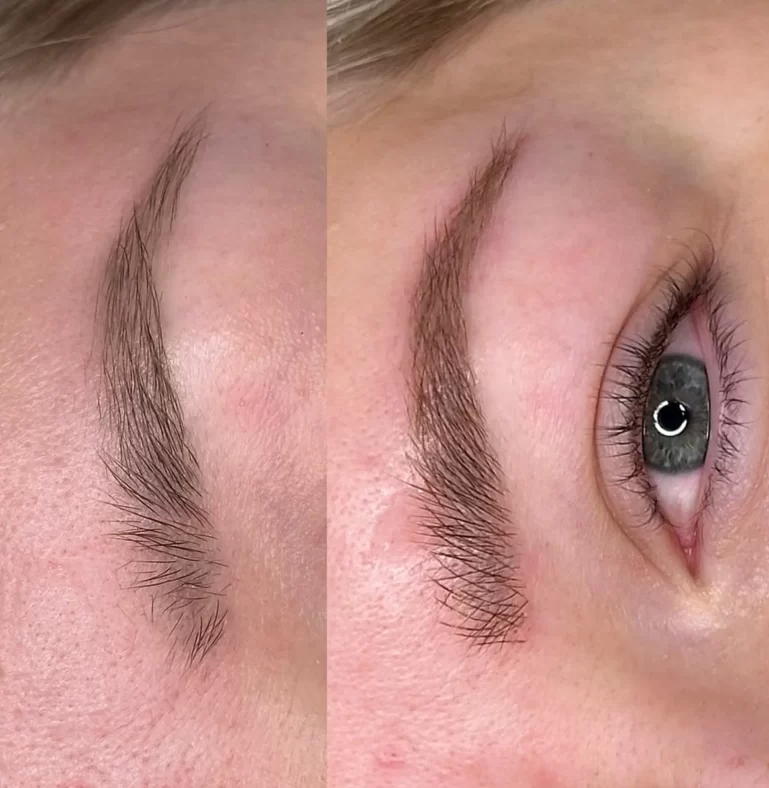
If you’ve been wondering Is online microblading training accepted in Australia?, you’re definitely not alone. I’m Uliana Kasperska — a cosmetic tattooist with 15+ years across Europe and Brisbane — and I’ve watched the beauty industry shift wildly as permanent makeup training moved online.
Before you sign up for any training course, it’s important to understand what Australia actually accepts, what still requires face-to-face training, and how to build real skills that keep clients safe and happy.
Many students reach out after comparing microblading training to other beauty qualifications, unsure which pathway truly meets Australian standards.
Every week, students walk into our Brisbane studio confused by mixed marketing messages about online learning. Some believe they can complete eyebrow microblading entirely from home and walk out as a certified artist.
The truth is more grounded: online learning is excellent for theory, but cosmetic tattooing still requires hands-on, skin-penetration assessments — and Australia is very firm about that.
Contents
- 1 What Australia Actually Accepts
- 2 Why Australia Requires More Than Online Training
- 3 How Cosmetic Tattoo Education Works In Australia
- 4 Theory vs Practical — What Can Be Taught Online?
- 5 Common Misconceptions We Hear Every Week
- 6 What Online Brow Education Is Actually Good For
- 7 What Brisbane Councils Consider Before Approving You
- 8 What A Good Brow Program Should Include
- 9 Why Brisbane Conditions Influence Technique
- 10 How To Spot A Legitimate Training Provider
- 11 Final Thoughts — And A Warm Invitation
- 12 FAQ
What Australia Actually Accepts
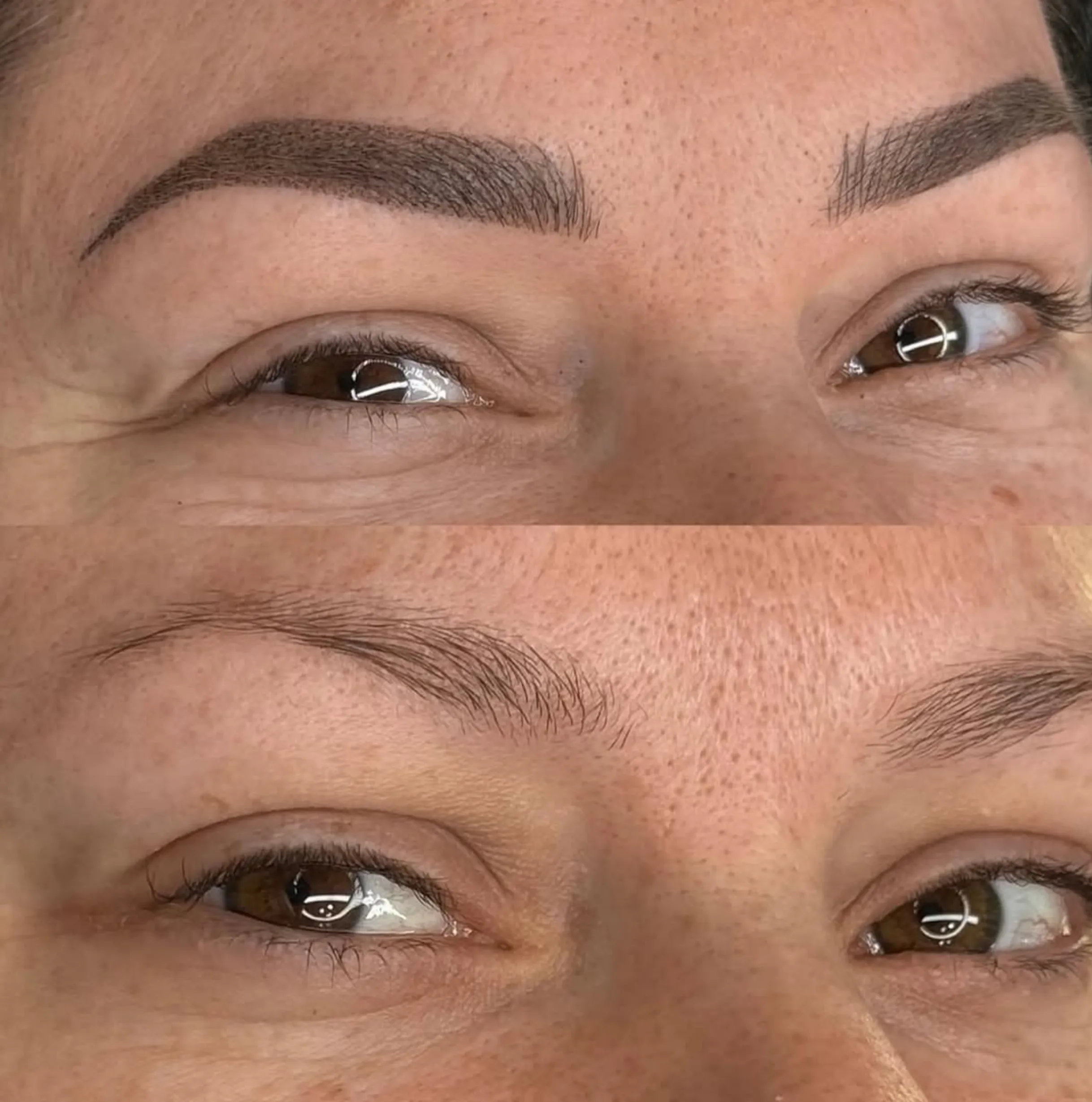
Online microblading training is accepted only as a partial learning pathway. It is not accepted as a complete qualification for performing cosmetic tattoo procedures on clients.
Because microblading involves skin penetration, councils require proof that you’ve met Australian infection control standards — and that portion must be demonstrated in person.
We often see new artists compare microblading training with short modular programs like teeth whitening training, but unlike those, microblading requires supervised practice to meet legal requirements.
Online theory? Absolutely useful.
Online-only certification? Not legally recognised.
Cosmetic tattooing is treated as a health and safety-sensitive field, meaning no one becomes job-ready through online learning alone.
Why Australia Requires More Than Online Training
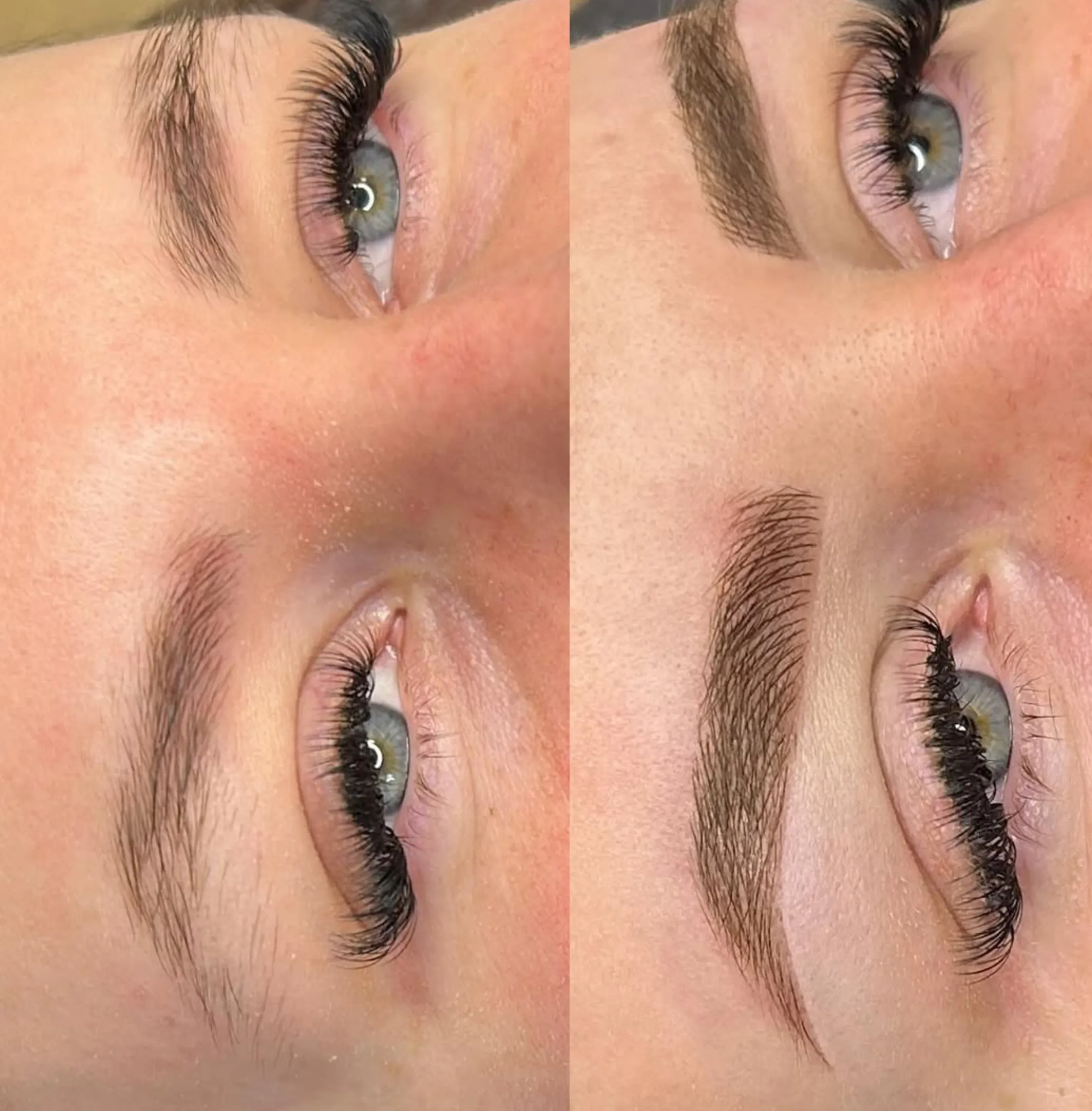
Microblading techniques rely on touch, resistance, depth control, and real-time decisions based on skin type. You cannot learn blade pressure, stretch technique, or pigment saturation without live models and expert feedback.
This is similar to why an online laser hair removal course alone would never qualify someone to work on real clients — practical competency always matters.
Brisbane’s climate adds another challenge. Humidity affects skin behaviour, swelling, and pigment retention. Students who perform perfectly on latex often struggle on Queensland skin, which behaves very differently.
This is exactly why councils and registered training organisations require your skills to be assessed face-to-face.
And of course, infection control is not optional.
Australia requires practical competency in HLTINF005 Maintain Infection Prevention for skin-penetration work — something that cannot be completed via online modules alone.
How Cosmetic Tattoo Education Works In Australia
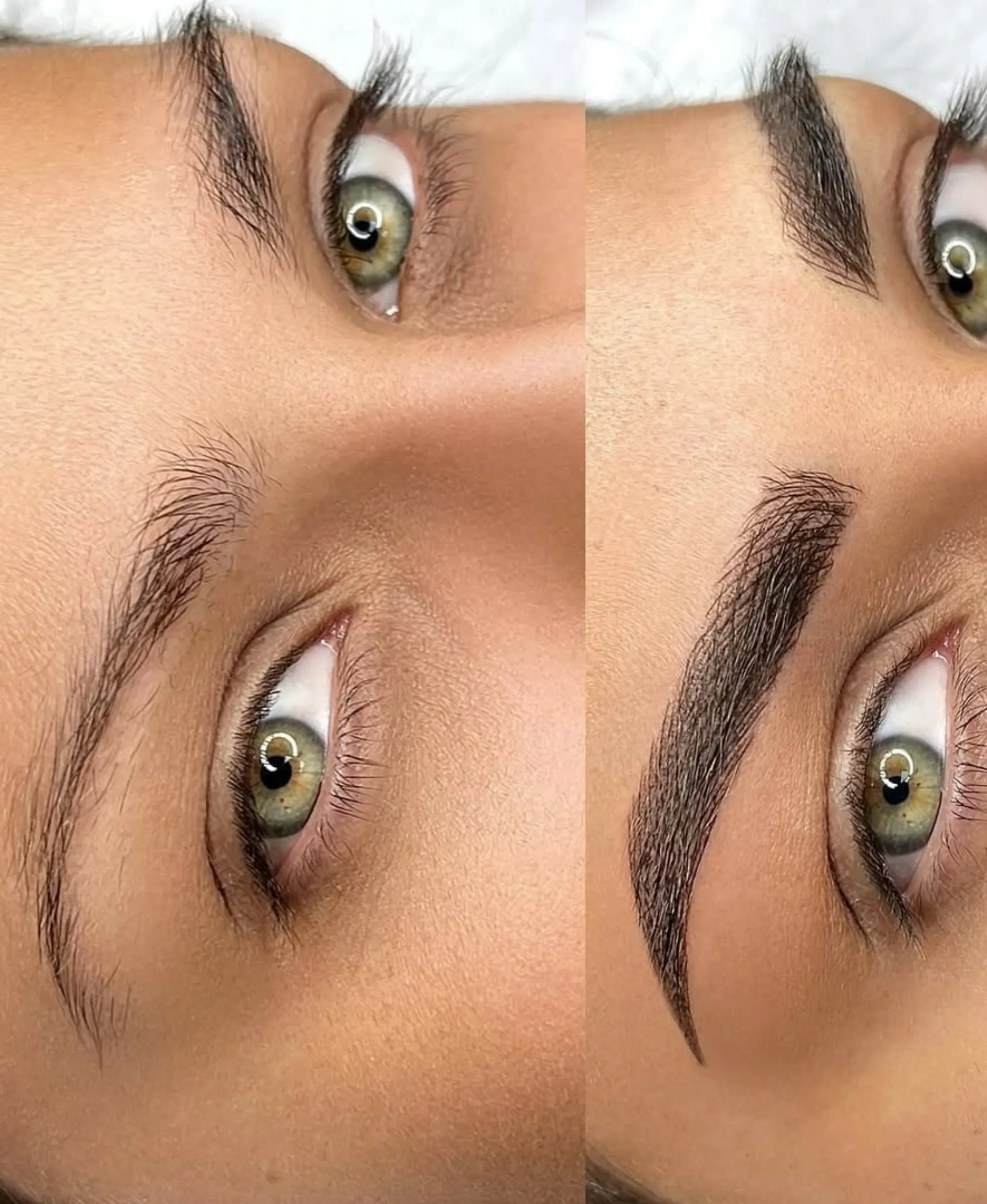
Before tattooing a single brow hair stroke for a paying client, you must complete the following:
- Infection Control Standards (HLTINF005 Maintain Infection Prevention)
- Hands-on practical sessions using real tools on real skin
- Face-to-face training with live models
- Council compliance requirements for hygiene, sharps disposal, and consultation protocols
These requirements ensure your training produces safe, competent professionals — not just graduates with a PDF certificate.
Theory vs Practical — What Can Be Taught Online?
Online learning is extremely useful for foundational knowledge, and we encourage students to complete theory before entering a studio.
| Component | Online Allowed? | In-Person Required? | Notes |
|---|---|---|---|
| Skin anatomy | Yes | No | Ideal for online study |
| Brow shaping & face shape theory | Yes | No | Excellent preparation |
| Microblading technique demos | Yes | No | Must be practised under supervision |
| Colour theory | Yes | No | Critical for semi-permanent makeup |
| Infection control competency | Partial | Yes | Must be assessed live |
| Live models | No | Yes | Legally required |
| Hands-on tool handling | No | Yes | Must demonstrate safe use |
(Valid as of January 2026.)
Common Misconceptions We Hear Every Week
“My online course said it was accredited.”
Many online courses misuse the word “accredited.” Overseas or private accreditation does not equal legal recognition in Australia.
“If I practise enough on latex, I’ll be ready.”
Latex does not bleed, swell, stretch, or heal. Real skin behaves unpredictably depending on age, oil production, climate, and pigment response.
What Online Brow Education Is Actually Good For
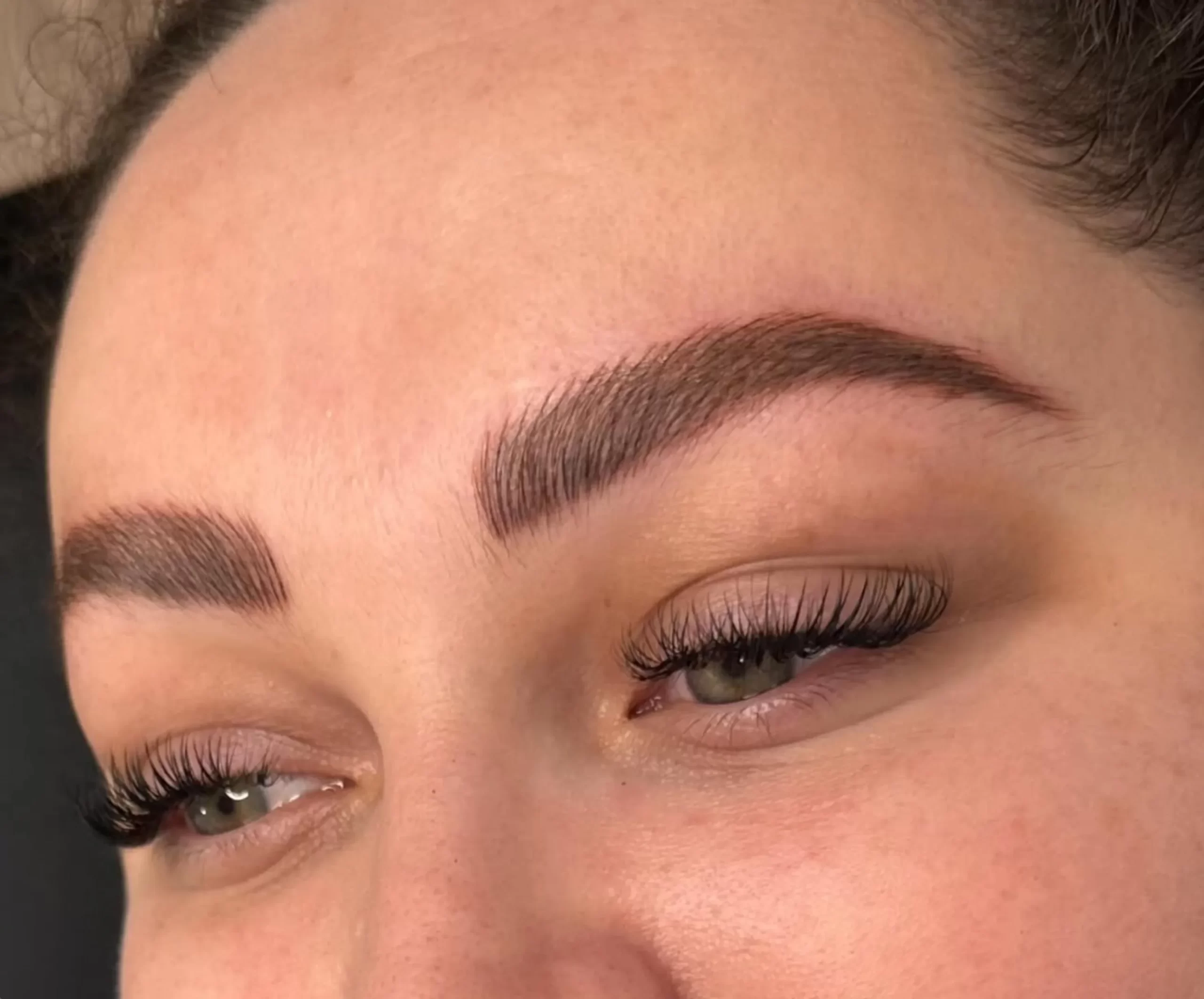
When paired with in-person training, online learning helps you:
- Learn theory without pressure
- Understand colour theory and pigment behaviour
- Compare microblading vs machine techniques
- Prepare for manuals and assessments
- Build confidence before live models
Students who complete strong online foundations consistently perform better during face-to-face training because the theory is already locked in.
What Brisbane Councils Consider Before Approving You
When you apply to operate as a tattoo artist or cosmetic tattoo professional, Brisbane councils assess a range of compliance factors before approval.
Councils check:
- Proof of HLTINF005 Maintain Infection Prevention
- Hygiene setup including basins, disinfectants, and sharps containers
- Waste disposal procedures
- Cosmetic tattooing tools and equipment safety
- Treatment-room cleanliness
- Client consultation protocols
- Training course evidence from a recognised provider
Even the best online learning program cannot replace these requirements.
What A Good Brow Program Should Include
A reputable microblading training course should offer the following core components:
1. Face-to-face training with industry leaders
Small group settings allow educators to correct stroke angle and depth control in real time.
2. Live models
This is critical — cosmetic tattooing blends artistic technique with biological skin response.
3. Technical guidance for microblading tools and digital machine use
Even if you specialise in manual microblading, understanding machine behaviour strengthens long-term skill development.
4. Brow shaping based on face shape
No social media templates — just practical, real-world brow design.
5. Professional recognition support
Including how to meet infection control standards and workplace regulations.
6. Training manuals, reviews, and healed results
These provide transparency and help build trust.
Students transitioning from a laser hair removal courses often notice how hands-on microblading trainings is — and why in-person assessment matters so much.
Why Brisbane Conditions Influence Technique
Humidity, sun exposure, and lifestyle factors all affect semi-permanent makeup results.
Your training should prepare you for:
- Oily summer skin — softer strokes and faster fading
- Dry winter skin — clearer implantation but slower healing
- Queensland sun — warm colour shifts if pigments are poorly selected
- Heavy sweating clients — increased lymph and swelling
This is why hands-on education matters. Video lessons can show what to do — but not how skin behaves when you’re actually doing it.
How To Spot A Legitimate Training Provider
Look for a training provider that:
- Works with a registered training organisation
- Teaches infection control standards properly
- Uses a structured training system (theory, practical, live assessments)
- Uses safe pigments and approved microblading tools
- Offers payment options without locking you into unregulated programs
- Shows real healed results, not filtered images
- Provides ongoing support as you continue learning cosmetic tattooing
- Has recognised trainers or industry leaders, such as Olha Po
- Displays transparent customer reviews
If a provider promises competency without observing you work on real skin — that’s a clear warning sign.
Final Thoughts — And A Warm Invitation
Online microblading training is extremely valuable — but it is not sufficient on its own. Australia requires face-to-face training, competency checks, and live model experience before any artist can perform cosmetic tattooing on real clients.
If you’re unsure which pathway aligns with your goals, reach out to Cosmetic Tattoo Studio Brisbane Face Figurati. We’re always happy to help future artists understand this industry properly — and safely.
FAQ
Can I legally work in Australia with online-only microblading training?
No. You must complete in-person assessments and recognised infection control competencies.
Does online learning count for anything?
Yes — it’s valuable for theory, demonstrations, skin anatomy, colour theory, and foundational knowledge.
Do I need a microblading kit before the course?
Most schools supply one, but always confirm before enrolling.
Can I study alongside other beauty courses?
Yes. Many students train in brows while completing laser hair removal modules or short beauty courses.
What qualifications actually matter?
A recognised infection control unit and supervised assessments through a compliant training provider.
