
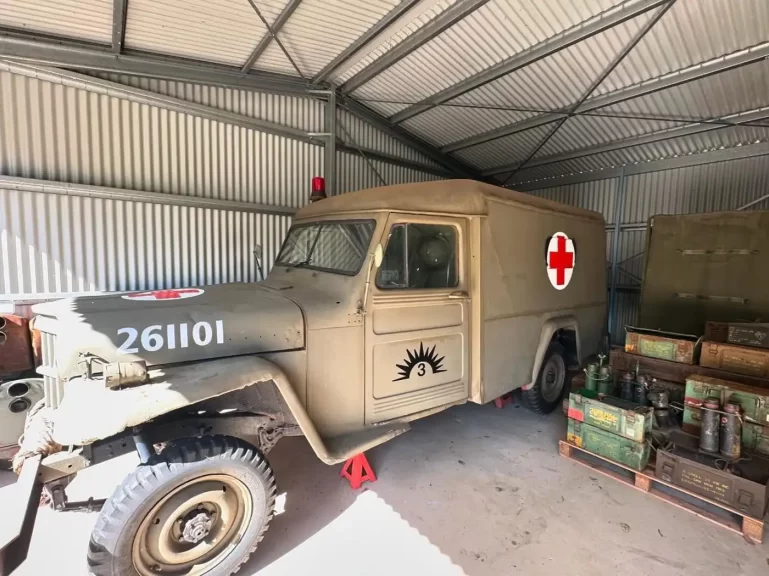
A WWII History Tour of Darwin: the unsung heroes and infamous battles that shaped this city come into sharp focus the moment you grasp that Darwin wasn’t some distant onlooker watching the unfolding drama of World War II – it was right in the thick of it. This unforgiving northern city took a pounding, responded on the fly and endured under pressure, leaving behind what’s arguably the most intact wartime landscape in Australia.
I’m your guide, Paul Beames, and I’ve spent countless hours trudging through these sites – often with tourists who’d signed on for a run-of-the-mill Darwin tour with no real idea they’d be standing on ground that was once under siege. That shock of recognition – it’s a big part of what makes this place so poignant. The thing is, Darwin doesn’t exactly shout its WWII story from the rooftops. You’ve got to plough through it for yourself.
Contents
- 1 How Australia’s Top End Became A WWII Target
- 2 Darwin Military Museum
- 3 East Point Reserve & The Coastal Defence Network
- 4 Beneath The Streets: WWII Oil Storage Tunnels
- 5 Harbour Locations That Still Carry The Scars
- 6 The Forgotten Heroes of Inland Defence
- 7 From Pre-War Darwin – A Town on the Brink of Change
- 8 Planning the Perfect WWII Half-Day in Darwin
- 9 Key WWII Locations At A Glance
- 10 Why Darwin’s Wartime Story Still Counts Today
- 11 The Final Word: Let The City Show You
- 12 FAQ
- 12.1 How many times did Darwin get bombed during World War II?
- 12.2 Are the underground tunnels suitable for those who don’t like dark or confined places?
- 12.3 Do you need a guide to really understand the history?
- 12.4 Can you still visit these sites year-round?
- 12.5 Is a half-day enough to get the lowdown on Darwin’s wartime role?
How Australia’s Top End Became A WWII Target
Darwin just happened to be in the right place – or the wrong place, depending on how you look at it. Perched on the edge of the Top End, it was the closest Aussie port to Southeast Asia and quickly transformed into a major Allied base as soon as the Pacific theatre erupted.
Then, on a fateful February 19 1942, Japanese aircraft came in low, launching the first ever Bombing of Darwin, taking out the harbour, wharves, military bases and airfields. It wasn’t a one-hit wonder, either – Japanese raids continued to pummel Darwin all the way through ’43, and it was attacked more often than any other Australian city. Almost 240 folks lost their lives, and large chunks of the town were flattened.
But the key to understanding this city – and I mean really understanding it – lies in the context. Every single bunker, tunnel and gun emplacement you’ll see scattered around the place is there because Darwin had to defend itself – in double quick time, as it happens.
Darwin Military Museum
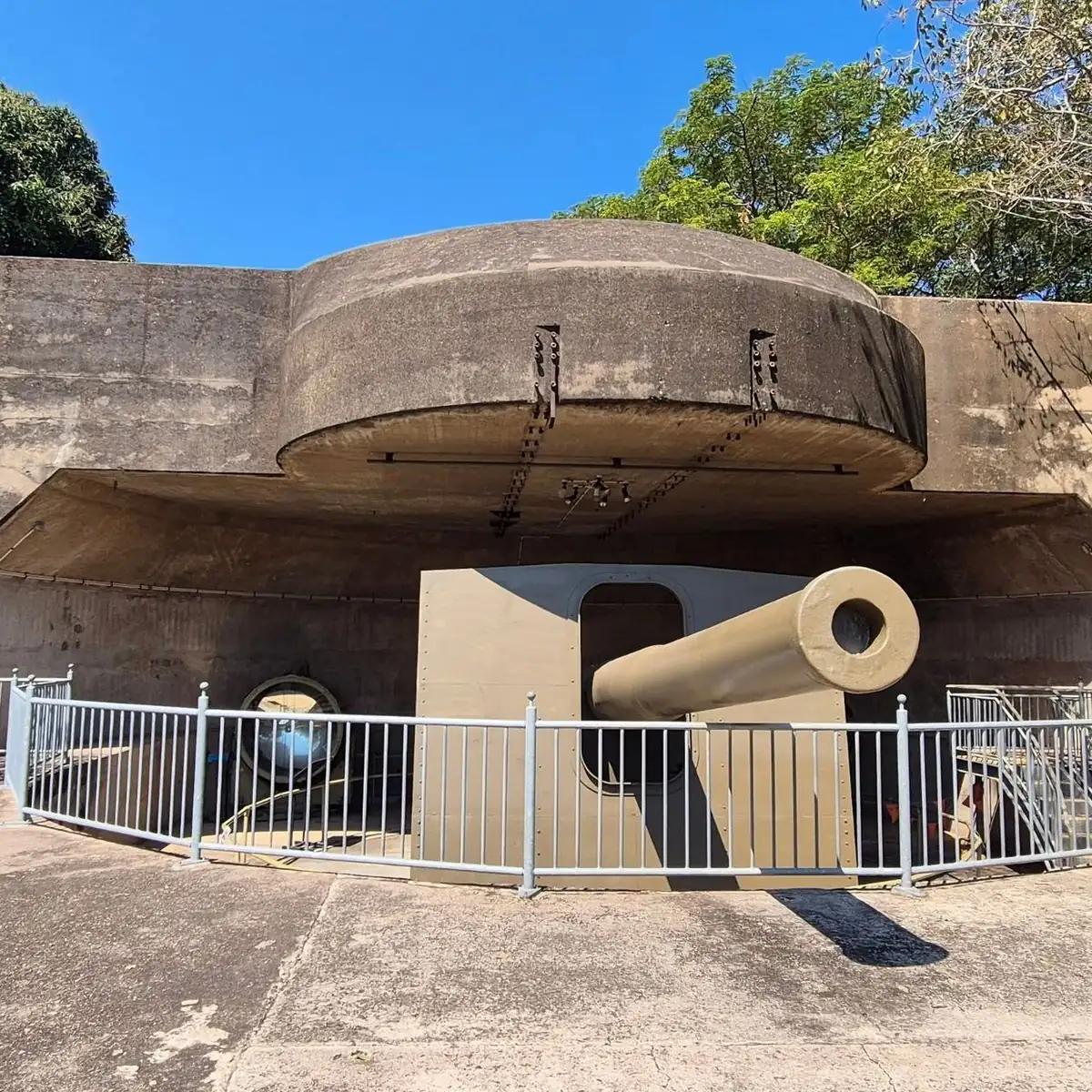
If all you’ve got time for is the one site, I reckon you should make this the one. Located on East Point, the Darwin Military Museum is plonked smack bang in a former defence zone right on top of Darwin Harbour, just where the Japanese aircraft and warships were specifically targeting the spot.
Inside, you’ll find a real treasure trove of:
- The Defence of Darwin Experience – and that includes blow-by-blow maps and attack timelines
- The Bombing of Darwin Experience – all the way down to restored video footage and personal accounts from people who were there
- genuine WWII artefacts and military kit that was pulled out of the ground itself
On the outside, you have the surrounding headland, part of the original military layout, with gun emplacements and ammunition stores. I always tell the tourists on my Darwin tours to give this place at least an hour and a half – anything less, and you’re gonna be cheating yourself.
East Point Reserve & The Coastal Defence Network
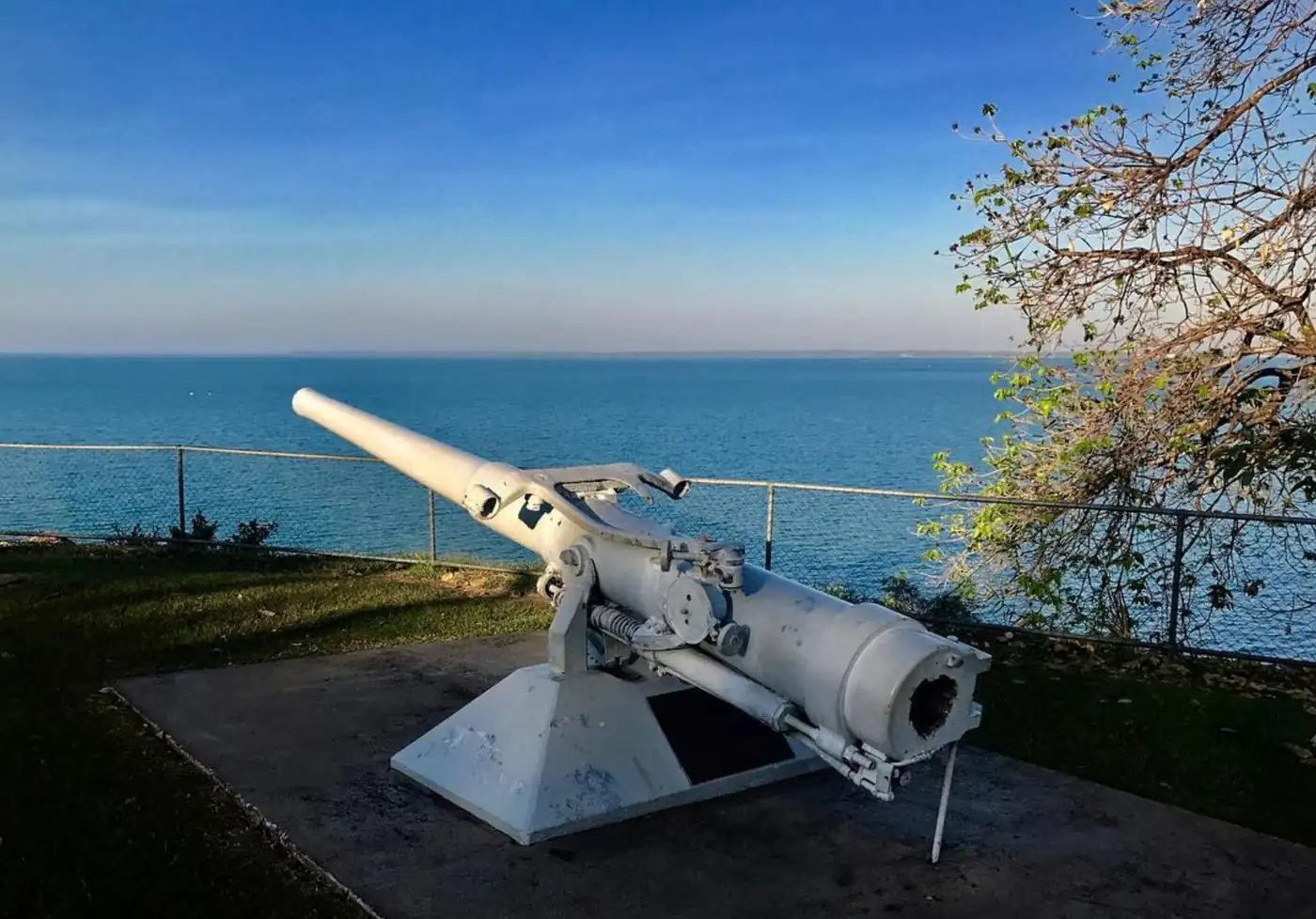
As you walk past the museum and into East Point Reserve, the story of Darwin’s wartime past changes gear, shifting abruptly from static exhibits to a dynamic landscape. This headland once housed heavy coastal guns installed to keep enemy warships out of the harbour and the shipping lanes safe.
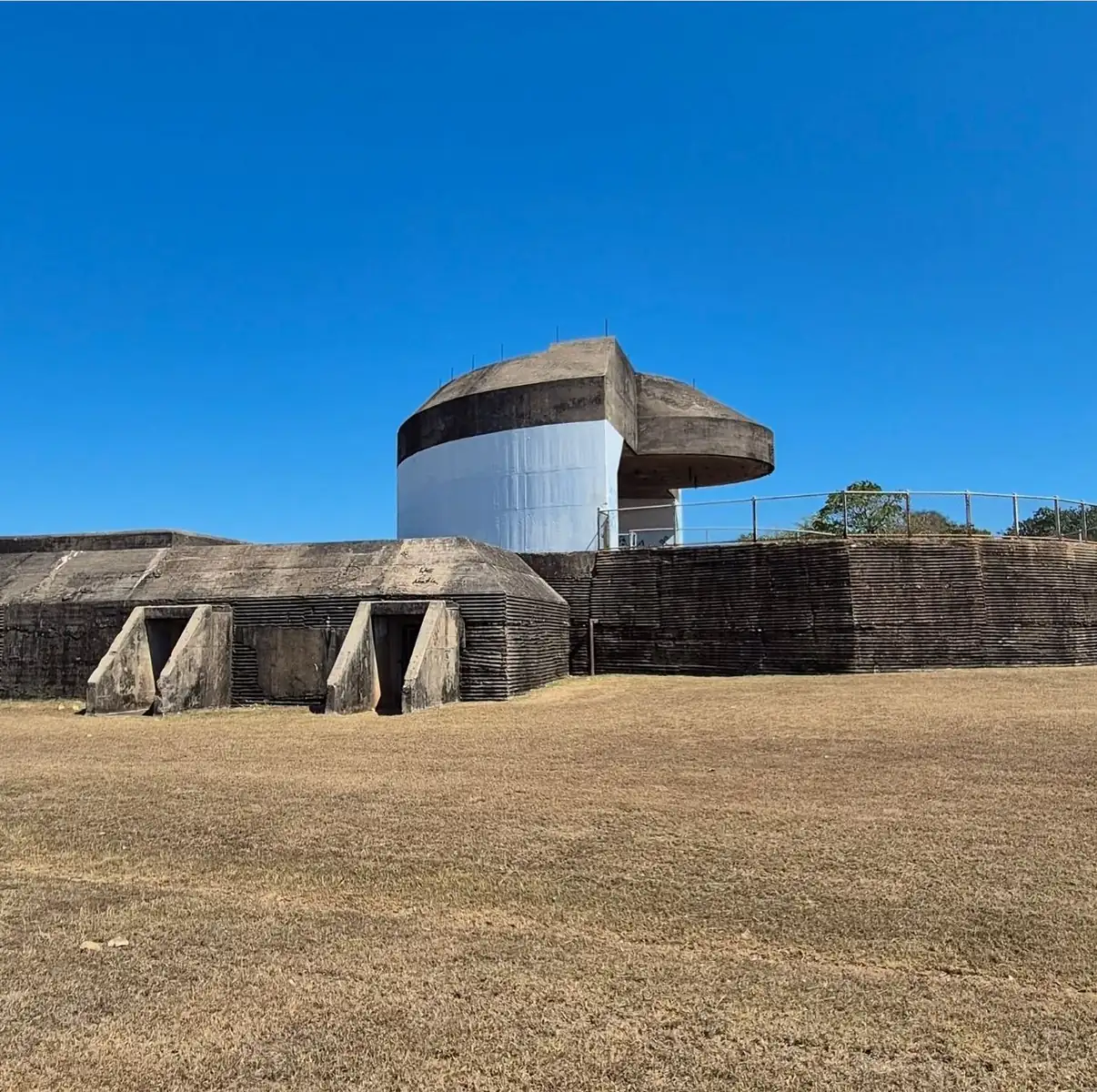
The old East Point Gun Battery is still there, along with a scattered handful of concrete structures that supported the anti-aircraft defences. Later in the war, these were upgraded with new anti-aircraft guns as the air threat increased, creating a layered defence system that stretched along the coast.
Standing there today, though, it’s just peace and quiet – and that contrast makes the history a whole lot more real than any signboard could ever manage.
Beneath The Streets: WWII Oil Storage Tunnels
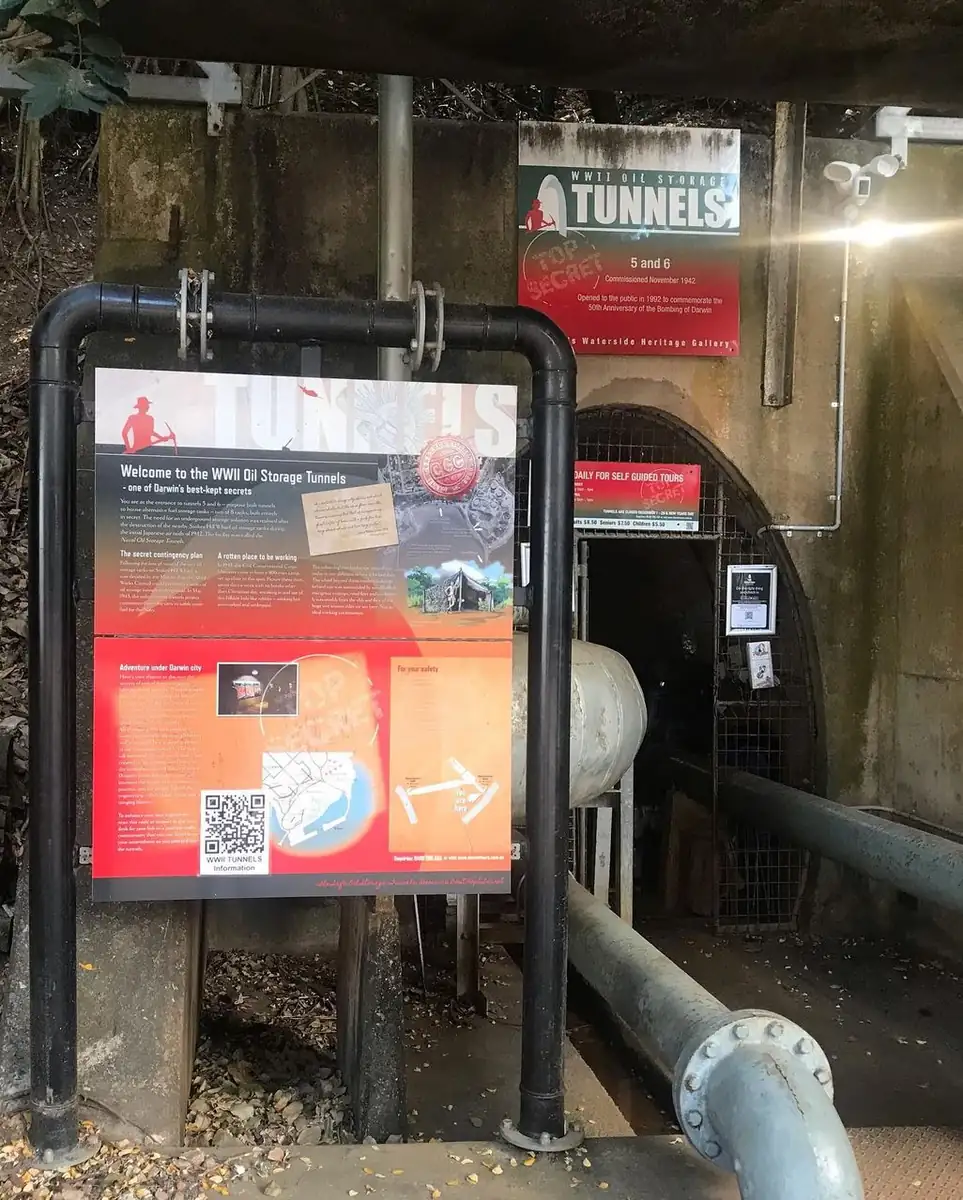
Down in the Darwin CBD, there’s a hidden network with an incredible story to tell. The WWII Oil Storage Tunnels were built in 1943 to protect fuel supplies after early bombing raids exposed the old above-ground tanks as vulnerable.
These tunnels could store roughly 12 million litres of fuel, all of which was fed straight in from ships in the harbour. Nowadays, the site is the WWII Tunnels Museum – you can only get in via a guided tour, and trust us, that’s a good thing – the commentary gives you way more than just the facts and figures – it tells you the why behind all of it too. Darwin had to think way outside the box – or in this case, way underground – to stay alive.
Loads of Darwin tours include a stop here, and time and time again, visitors are seriously surprised by just how big this old wartime structure is, hidden away right under your feet in the middle of the city.
Harbour Locations That Still Carry The Scars
Darwin’s foreshore isn’t just a nice place for a stroll. It’s a timeline. Places like Stokes Hill Wharf & the old Fort Hill Wharf were prime targets because of their strategic importance.
One of the most moving spots is the USS Peary Memorial, which commemorates the American destroyer that was the first to be sunk in the bombing raids. Not far away, youve got Bicentennial Park & the Darwin Cenotaph – and on public holidays & memorial events they really come alive.
Seeing all this from the water on a harbour cruise really puts things into perspective. You can see how all the naval defence & submarine boom cable & shipping lanes worked together to keep the port safe.
The Forgotten Heroes of Inland Defence
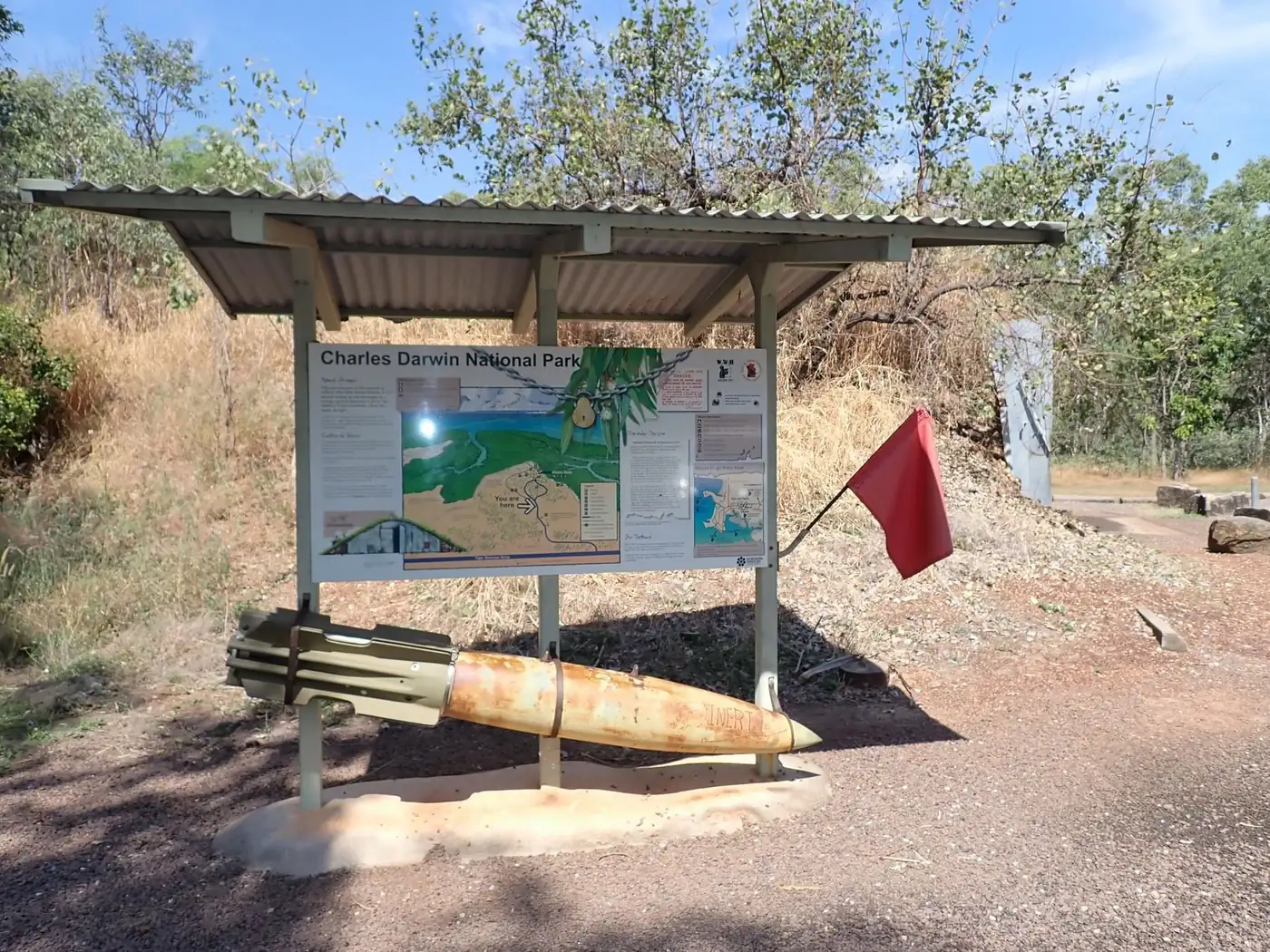
While the harbour gets all the glamour, inland sites played a pretty crucial yet often overlooked role in Darwin’s defence system. At Charles Darwin National Park, you can find the remnants of those old bunkers, storage places, and lookout points that were used during air raid drills. This place usually gets missed on standard itineraries, but trust me, it’s one of the best places to get a handle on just how far defence planning went in Darwin.
It’s where I take tourists who aren’t just looking to scan some plaques, but actually want some space to take it all in.
From Pre-War Darwin – A Town on the Brink of Change
Before the war, Darwin was a small, remote town that wasn’t well defended. But then World War II began, and the town was transformed overnight by rapid construction, new residents, and the military establishing a presence.
Then, in 1974, Cyclone Tracy tore through what remained of the old town, leaving an even bigger rebuilding job. So that double whammy of war & cyclone is why surviving WWII heritage sites are so precious today. Groups like the National Trust have worked hard to safeguard what little remains from that time. If it weren’t for them, much of Darwin’s wartime story would be nothing more than dusty old archives.
Planning the Perfect WWII Half-Day in Darwin
If you’re running short on time, you can still get a pretty solid understanding of Darwin’s role in WWII with a Half Day Tour – especially if you structure it right.
A pretty realistic itinerary would look something like this:
- Darwin Military Museum and the East Point Reserve – not bad for a start
- USS Peary Memorial and the Darwin Waterfront sites – get a feel for the harbour too
- WWII Oil Storage Tunnels – you’ll need to get a guide to get in, but it’s worth it
- If you have some extra time, consider a harbour cruise to put it all in context
The good news is that some tour operators, such as Autopia Tours, offer a deeper dive into history alongside a broader Darwin tour, which is ideal for visitors who want depth without spending a full day.
Key WWII Locations At A Glance
| Location | Area | Wartime Role |
|---|---|---|
| Darwin Military Museum | East Point | Defence coordination and air raids |
| WWII Oil Storage Tunnels | Darwin CBD | Protected fuel reserves |
| USS Peary Memorial | Darwin Harbour | Naval losses |
| Charles Darwin National Park | Inland Darwin | Defence support sites |
| Bicentennial Park | Foreshore | Memorial corridor |
Why Darwin’s Wartime Story Still Counts Today
Darwin’s history during the war – it’s not just about battles and battlefields. The way the city and surrounding infrastructure came to be, the planning that went into the Australian war effort – that’s what really gets revealed. And for a small city, how the heck it managed under such intense pressure – that’s all there to see.
Taking a walk through those sites is a real eye-opener. It’s not just some dry stuff that you’d pick up from a book, that’s for sure. And that’s why even people who are only doing a Darwin trip for the nature or national parks seem to get some real surprise out of visiting these sites – even if it wasn’t on their radar to start with.
The Final Word: Let The City Show You
A WWII History Tour of Darwin: the ruins and relics you won’t want to skip – it’s not about puffing out a chest or parading heroics, that’s just not what this is about. It’s about how close to home the war really was & how the Northern Territory took that burden on its shoulders.
Just take your time and let the place speak for itself. Walk where the historic events actually happened and listen – because Darwin still has plenty to say
FAQ
How many times did Darwin get bombed during World War II?
Well, it got hit a whopping 64 times between ’42 and ’43 – that’s more than any other place in Australia.
Are the underground tunnels suitable for those who don’t like dark or confined places?
They’re actually quite roomy and well-lit, but yeah, they are underground – you just gotta know how to get out. Tours also cover safe exit points.
Do you need a guide to really understand the history?
You can explore some sites on your own, but a guided history tour will always add extra context that’s hard to pick up otherwise.
Can you still visit these sites year-round?
Theoretically, yes, but pretty much all visitors will say it’s way more comfortable if you do it during the dry season. Wet season just gets a bit too rough – heat, storms and the lot.
Is a half-day enough to get the lowdown on Darwin’s wartime role?
It’s got the bare bones of it all – a full day will really give you time to get some real depth, though.
